Read the ground before the score
A cricket ground is more than the strip between two sets of stumps. The surface, the space around it and the conditions during play all help explain what you are watching.
Explore the cricket reference ↓
One ground, three different areas
They do not provide a shortcut to the result. Ground Journal starts with that distinction: describe the evidence in front of you, then leave room for what the next delivery may change.
This edition is a practical guide for a spectator following cricket in India or watching a match elsewhere. It separates the pitch from the square and outfield, explains why the boundary is a match condition rather than a fixed picture, and offers a way to compare observations without turning them into confident predictions. The photographs illustrate cricket environments and equipment; they are not reports from the match you happen to be watching.
The pitch is the prepared strip on which the ball is delivered. The square is the wider prepared area containing the match pitch, often alongside other strips used at different times. The outfield lies between the square and the boundary. These names describe different parts of the ground, so a comment about one should not automatically become a claim about all three.
Imagine a broadcast showing a firm-looking central strip and a damp patch near a boundary rope. The first picture concerns the playing surface used for deliveries; the second concerns an area a fielder may have to cross. Saying simply that the ground is wet loses the distinction that makes the observation useful. Ask where the evidence comes from and which part of play it could affect.
An aerial photograph helps with orientation, while a closer view may reveal the surface more clearly. Neither angle measures the whole ground. Keep the scale of the picture in mind: a patch that looks prominent in a close-up can occupy only a small part of the field.
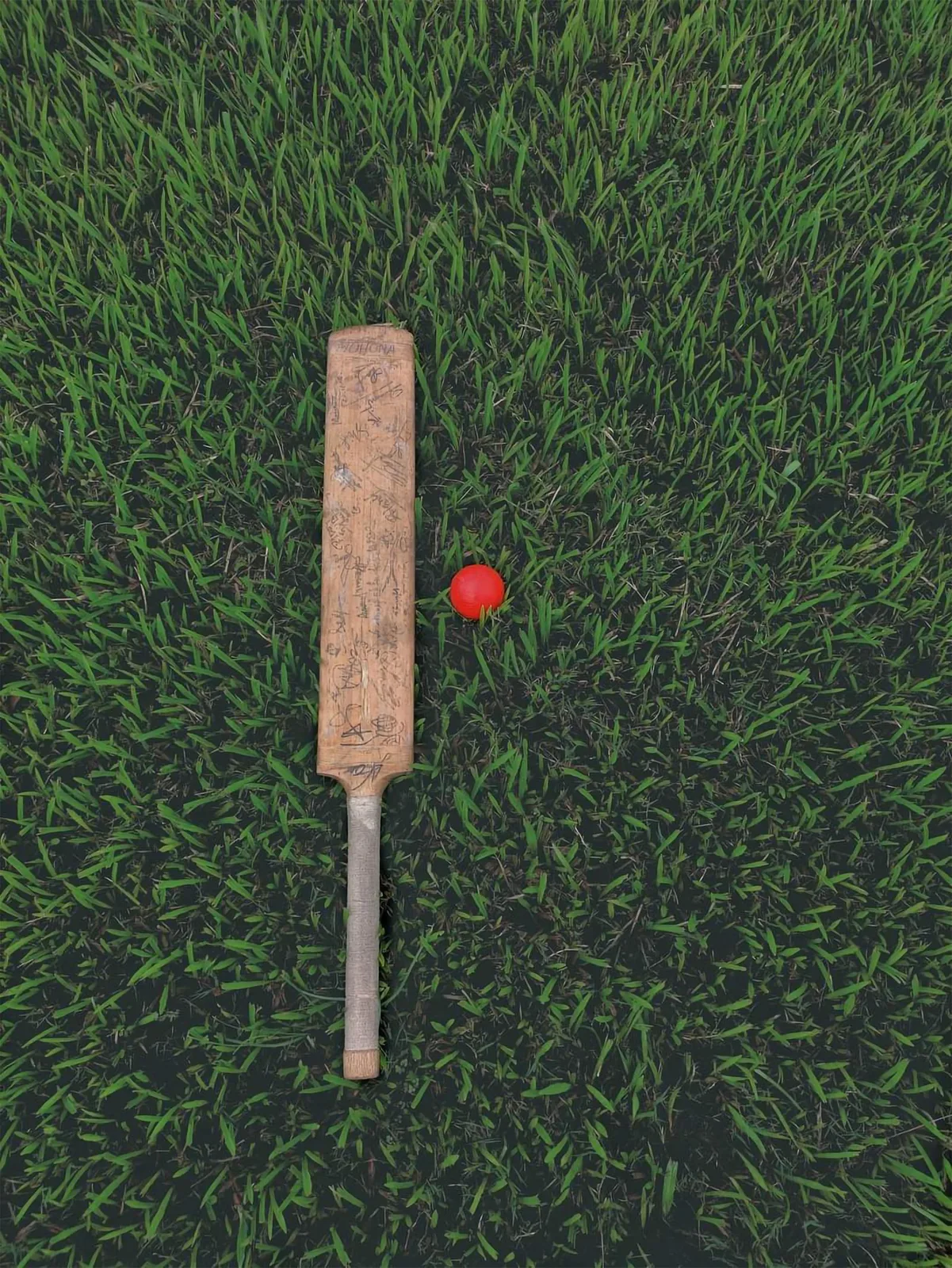
The boundary is a line, not a stadium wall
The boundary marks the edge of the field of play. It may be inside permanent seating, advertising structures or a fence, and its position should not be inferred from the outermost object in a photograph. When following a match, look for the actual marker rather than treating the architecture as the playing limit.
A ground can present different distances in different directions. That makes a description such as short on one side more informative than calling the whole venue small. Even then, a television lens can distort perspective. A camera placed behind the bowler gives a different impression from one looking along the square boundary. Unless a measurement is supplied, describe the view instead of inventing a distance.
For a simple viewing exercise, sketch the pitch, identify the two ends and mark the visible boundary. Add a note showing the camera position. This small map can explain why an apparently similar shot reaches the rope in one direction but leaves time for a return throw in another.
Read the surface without diagnosing it
Colour is an observation, not a complete report on a pitch. A pale surface, a green strip or a visible crack can be worth noting, but the picture alone does not establish its preparation, moisture beneath the top layer or behaviour under match conditions. A camera setting can also change the apparent colour.
Separate the description from the inference. You might record that grass is visible along one part of the strip. It is a further claim to say exactly how much the ball will move, and a much larger claim to announce the winning side on that basis. Those statements require evidence beyond the appearance of the ground.
Watch what happens repeatedly after play begins. Is the ball reaching the wicket-keeper at a consistent height? Are batters adjusting their timing? Does one end appear different? These questions make an observation testable. A single striking delivery remains one event; it should prompt attention rather than settle the entire account of the surface.
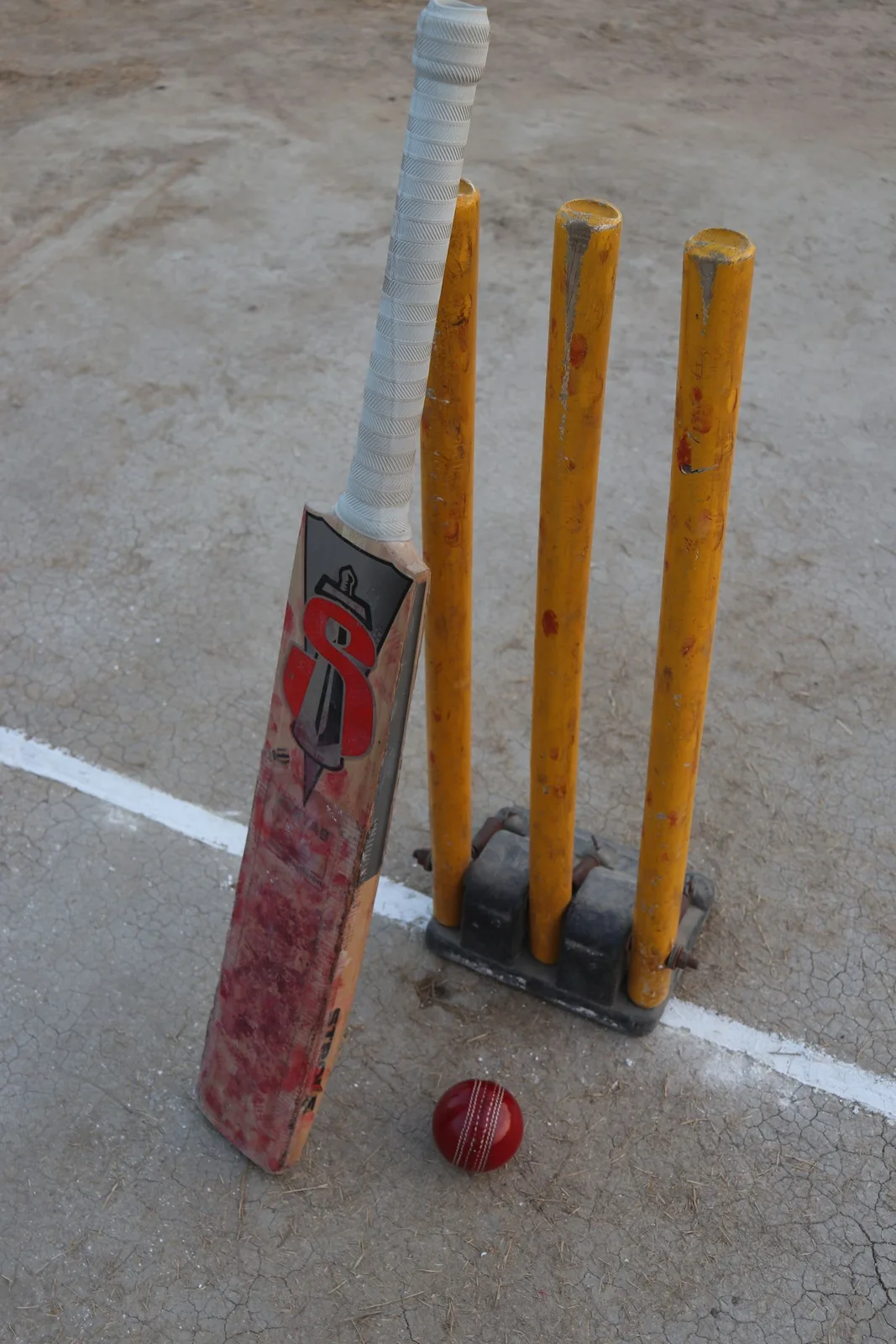
What the outfield adds to the story
A well-timed stroke and a quick outfield are different contributions to the same passage of play. The batter determines the contact, while the ball then travels across a surface with its own condition and contours. Fielders, their starting positions and the route of the return also matter. A boundary is therefore not a clean measurement of batting power alone.
Follow a few comparable moments rather than only the highlight. A ball struck along the ground may slow in one area or travel differently after a change in conditions. Note the route and the stage of the match. Avoid comparing a forceful drive with a gentle deflection and attributing the whole difference to the grass.
The same care applies to fielding. A difficult pickup can be affected by the bounce, the player's approach and the surrounding space. It is more useful to describe those elements than to convert one mistake into a judgement about the entire venue or the ability of a team.
Weather belongs beside the observation
A forecast, a view of dark clouds and an official interruption are three different things. The first is an expectation, the second a visible condition and the third a decision affecting the match. Keep them separate in your notes. A dramatic sky does not by itself tell you whether play will stop or what revised conditions would apply.
Conditions can change during a long match. A description made before the start may no longer fit later in the day. Give an observation a useful reference point, such as before the first innings or after a break, rather than presenting it as a timeless property of the ground. When a broadcast supplies an official update, distinguish it from a commentator's expectation.
For spectators, the practical lesson is to check the competition's own notices before treating a delay as an abandonment. For analysis, the lesson is to preserve the sequence: what was visible, what was announced and what happened next. That sequence is often more informative than a single confident label.
Watch the two ends separately
Cricket alternates the direction of play between overs. This gives the observer a useful comparison, but not a controlled experiment. Different bowlers, batters and fields may accompany the change of end. A contrast between two passages cannot automatically be assigned to the ground.
Make the comparison specific. Record which end the delivery came from, whether the stroke was played along the ground and where the nearest fielder started. If the apparent pattern continues, you have a clearer question to investigate. If it disappears when the players change, your first explanation may need revision.
This approach is especially helpful when camera angles change. A replay from a different side can make the same movement look larger or smaller. Compare the underlying event before comparing the pictures. The purpose of a ground note is to improve your account of play, not to create a clever explanation for every ball.

A compact observation ledger
Use a small table with three columns: what you saw, what it might help explain and what it does not establish. For example, a fielder taking an extra step before a pickup is a visible action. The route of the ball and the fielder's balance may explain it. The observation does not establish that every part of the outfield is slow.
Keep the first column concrete. Write about a ball, a patch, an angle or a decision rather than a broad reputation. In the second column, make a limited connection that a reader can follow. In the third, identify the conclusion you are deliberately leaving open. This is a useful editing habit when a ground description starts sounding like a prediction.
The ledger also makes disagreement easier to discuss. Two viewers may agree on the event and disagree about its cause. That is a more productive starting point than arguing over whether a venue is simply good or bad. Clear observations can survive a change of interpretation.
A second useful distinction is between a field setting and the ground itself. A captain can move a fielder without changing the boundary or surface. If a familiar shot is suddenly stopped, first ask whether somebody is now standing in its path. A difference in the outcome need not imply a difference in the pitch. This is why a short sketch should include the visible field as well as the ground outline.
Pictures taken at different times also deserve separate labels. A photograph of an empty venue, a view during a full match and a tight replay each omit different information. An empty ground can show the layout clearly but cannot establish the noise, visibility or pace of an actual passage of play. A close replay can explain contact yet hide the fielders. Use each image for the question it is able to answer.
| Visible observation | Useful question | Still unknown |
|---|---|---|
| The ball slows near the rope | Did the route or surface change? | The speed of the whole outfield |
| A low bounce from one end | Does the pattern repeat? | Its single cause |
| Clouds appear above the ground | What has officially been announced? | Whether play will stop |
Where the ground note meets a commercial quote
Eligible adults inspecting a separate commercial cricket and casino platform can use the sponsored reference to Cricketin. Ground Journal does not operate the destination; its current availability and terms belong to that provider. The ground-reading method here can be used without an account or transaction.
A ground note and a quoted market ask different questions. The note may describe where a ball slowed or how a fielder approached it. A market concerns a defined outcome under its own conditions. Even a well-supported observation about one patch of grass cannot silently become a measurement of that outcome's probability. Identify the missing steps before treating the two statements as equivalent.
For a practical comparison, put the observation and the market proposition on separate lines. Underline the words that refer to visible evidence, then identify the information required for the proposition as a whole. You may discover that the ground note explains only a small part of the question. That is still useful knowledge: it tells you where the observation stops instead of making it carry a claim it cannot support.
Build a ground note from one passage
Choose a short passage of play and write four sentences. Locate the action within the ground. Describe the event without its eventual result. Add one possible explanation tied to visible evidence. Finish with a question that the next passage might help answer. This structure is short enough to use while watching and specific enough to revisit afterwards.
For instance, a fictional note might describe a low drive towards a square boundary, the ball slowing before a fielder collects it and the return reaching the keeper after the batters complete a run. You can discuss the path and the pickup without assigning a numerical speed to the outfield or claiming the same stroke must always produce the same outcome.
Return to the note later. If another camera angle or an official update changes your understanding, amend the explanation while retaining the original observation. A good ground journal records that change plainly. It develops with the match instead of defending the first impression at all costs.